
"Anuradha Nakshatra: The Star of Devotion"


Popular articles


Within the tapestry of Vedic astrology lies the enigmatic Anuradha Nakshatra, a celestial realm that beckons with its profound energies and influences. In this article, we'll embark on a journey to explore the secrets of Anuradha Nakshatra, uncovering its ruling deity, degrees, unique traits, symbolism, mantras, ruling planet in Vimshottari Dasha, auspicious activities, and the captivating mythological stories that enrich its essence. Additionally, we'll delve into its four pada or quarters, each with distinct attributes.
Anuradha Nakshatra Basics
Ruling Deity: Mitra, the god of friendship and harmony
Planet Lord: Saturn ruled by Hanuman
Degrees: 3°20' Scorpio - 16°40' Scorpio
Symbol: A lotus flower, representing spiritual growth
Nadi: Pita, heat, fire, energy
Element: Fire
Varna: Shudra
Aim: Dharma, right activities
Alphabets: Na, Ni, Nu, Nay
Anuradha word can be split in Anu + Radha. Anu means following and here Radha would mean Desire, as Radha-Krishna were each other's desire. So, Anuradha means "following the heart's desire". While the name "Anuradha" is traditionally associated with the 17th Nakshatra in Vedic astrology and holds specific characteristics and symbolism, your interpretation adds a beautiful and poetic dimension to its meaning.

Understanding the star components that make up a Nakshatra can add depth to our appreciation of its celestial significance in Vedic astronomy. Let's delve further into the astronomical aspects of Anuradha Nakshatra:
Star Components of Anuradha Nakshatra:
- Beta Scorpii (Graffias or Acrab): Beta Scorpii is one of the principal stars that make up Anuradha Nakshatra. It is a binary star system consisting of two massive stars that orbit each other. This star is an integral part of the Nakshatra's celestial configuration.
- Delta Scorpii (Dschubba): Delta Scorpii is another significant star within Anuradha Nakshatra. It is a multiple star system with several components. Dschubba is a bright star with a prominent place in the Nakshatra.
- Pi Scorpii: Pi Scorpii is the third star that contributes to the formation of Anuradha Nakshatra. Its inclusion in the Nakshatra's alignment adds to the overall character and energy associated with it.

Antares, the Reference Point:
Antares, a bright red star, serves as a prominent reference point in the vicinity of Anuradha Nakshatra. This star is often used as a guide for locating Anuradha and its constituent stars. Its distinctive red color adds to the visual allure of the celestial arrangement.
The fact that Beta, Delta, and Pi Scorpii appear in a straight line above Antares in the night sky contributes to the Nakshatra's visual symbolism. This alignment can be observed in the Scorpio constellation, where Anuradha Nakshatra is situated.
Astronomical Awareness in Vedic Astrology:
Vedic astrology places great significance on the positions and characteristics of celestial bodies, including stars and planets. The inclusion of astronomical details such as the star components of Nakshatras adds depth to the astrological interpretation of these Nakshatras.
It's important to note that Vedic astrology combines both astronomical observations and astrological interpretations to provide insights into an individual's life and destiny. The astronomical features of Nakshatras like Anuradha contribute to the rich tapestry of Vedic astrology and its connection to the cosmos.
Power of Anuradha Nakshatra
Anuradha Nakshatra draws its strength from its ruling deity, Mitra, symbolizing friendship, integrity, and the harmonious balance essential for maintaining both cosmic and human order. The energy of this Nakshatra is marked by an unwavering commitment to spiritual growth and moral values.
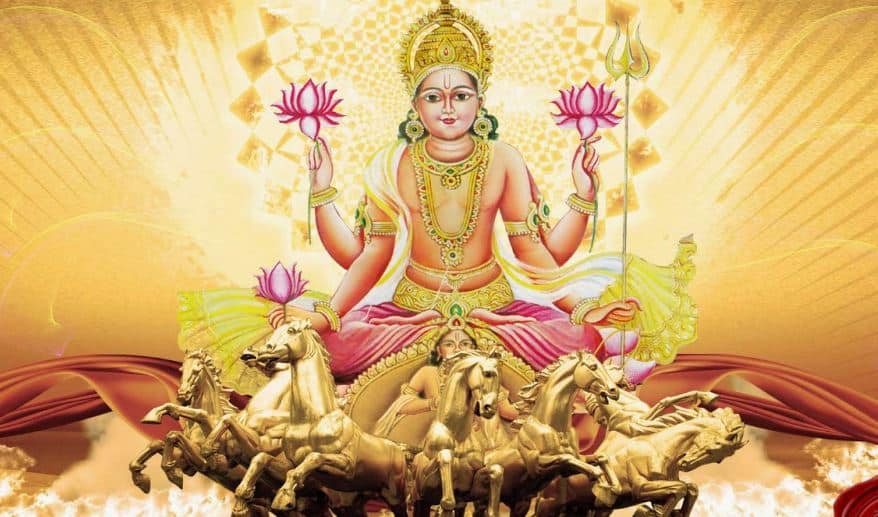
Mitra's role as one of the Adityas, the sovereign principles of the universe, highlights his importance in maintaining cosmic and human order. Let's delve further into Mitra's attributes and his partnership with Varuna (Deity of Shatabhishak nakshatra):
Attributes of Mitra:
- Friendship and Harmony: Mitra is known as the god of friendship and harmony. He embodies the principles of trust, cooperation, and congenial relationships among humans.
- Integrity and Moral Order: As the guardian of the human order, Mitra represents integrity and moral values. He ensures that individuals uphold ethical standards in their actions and interactions with others.
- Complementing Varuna: Mitra's role complements that of Varuna, another prominent Vedic deity. While Varuna is responsible for maintaining cosmic order and divine law, Mitra focuses on human affairs and the social order. Together, they ensure the balance and harmony of both the cosmos and human existence.
- Spirit of the Day: Mitra is associated with the daytime and is sometimes depicted with solar characteristics. This connection to daylight reinforces his role as a symbol of enlightenment, clarity, and guidance in navigating the complexities of human life.
Mitra's partnership with Varuna underscores the interconnectedness of cosmic and human orders in Vedic philosophy. Their combined influence seeks to establish a balance between the celestial and earthly realms, emphasizing the importance of upholding moral values and fostering harmonious relationships within society.
Mitra's significance as a guardian of friendship, integrity, and harmony serves as a reminder of the timeless values that are integral to the successful and virtuous maintenance of order in human existence, as recognized in Vedic Hinduism.
Traits and Characteristics
- Friendship and Cooperation: Individuals born under Anuradha Nakshatra possess a natural inclination towards building lasting friendships and fostering cooperation. They excel in team settings and value harmonious relationships.
- Determination and Discipline: Anuradha natives exhibit strong determination and discipline, which enable them to overcome challenges and achieve their goals. Their perseverance is a hallmark of their character.
- Spiritual Pursuits: This Nakshatra's connection with spiritual growth makes Anuradha individuals seekers of higher knowledge. They often embark on spiritual journeys, seeking enlightenment and inner transformation.
Mantras Beneficial for Anuradha Nakshatra
Chanting specific mantras can enhance the positive qualities associated with Anuradha Nakshatra. The "Om Mitraya Namaha" mantra, which invokes the blessings of Lord Mitra, is particularly beneficial. Regular recitation of this mantra can deepen one's sense of friendship, integrity, and harmony.
Vimshottari Dasha Ruler Planet
The Vimshottari Dasha ruler planet for Anuradha Nakshatra is Saturn (Shani). Saturn's influence during this Dasha period can bring discipline, structure, and opportunities for personal and spiritual growth.
Auspicious Activities for Anuradha Nakshatra
Engaging in specific activities during Anuradha Nakshatra can be particularly auspicious:
- Spiritual Retreats: Anuradha Nakshatra is an ideal time for spiritual retreats, meditation, and self-reflection. It's an opportunity to deepen your spiritual connection.
- Charity and Service: Acts of kindness and charitable deeds align with the Nakshatra's themes of friendship and harmony. Anuradha individuals may find fulfillment in helping others.
- Teamwork and Collaboration: Embracing teamwork and collaborating on projects during this Nakshatra can lead to successful outcomes. It emphasizes the importance of collective efforts.
Mythological Stories Associated with Anuradha Nakshatra
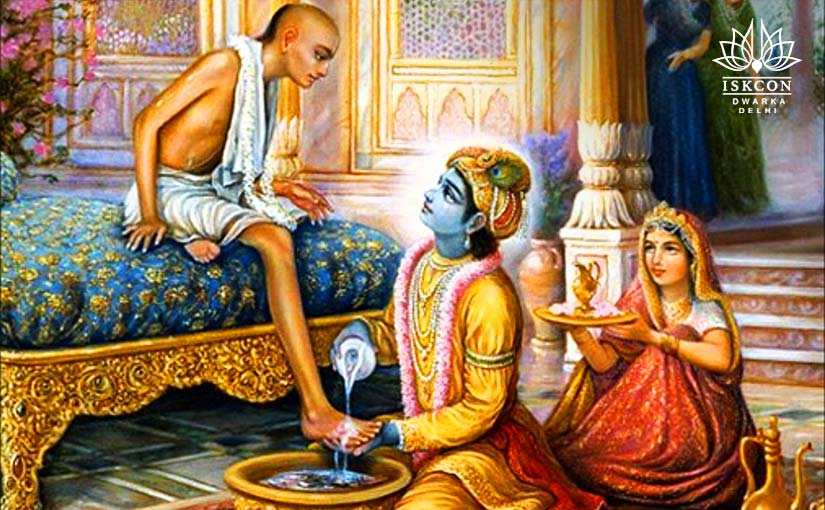
Anuradha Nakshatra is linked to the story of Lord Krishna's friendship with Sudama, his childhood friend. The unwavering bond of friendship and the exchange of love and compassion between them exemplify the Nakshatra's values of friendship and harmony. Sudama's devotion and humility also reflect the spiritual pursuit and transformation associated with Anuradha Nakshatra.
Breaking Down the Pada of Anuradha Nakshatra
Anuradha Nakshatra is divided into four pada or quarters, each with unique characteristics:
- First Pada (3°20' - 6°40' Scorpio): This pada is strongly influenced by Mars. Individuals here may exhibit leadership qualities and assertiveness. They possess the drive to overcome challenges.
- Second Pada (6°40' - 10°00' Scorpio): The Moon's influence makes this pada emotionally sensitive and intuitive. These individuals excel in creative and artistic pursuits.
- Third Pada (10°00' - 13°20' Scorpio): This pada is ruled by Mercury, enhancing communication skills and analytical thinking. It's ideal for those in fields requiring negotiation and persuasion.
- Fourth Pada (13°20' - 16°40' Scorpio): Jupiter's influence brings wisdom and spirituality to this pada. Individuals here may have a deep sense of morality and ethics.
Conclusion
By understanding its ruling deity, symbolism, mantras, ruling planet, auspicious activities, and mythological stories, we can unlock the Nakshatra's transformative power and strive for balance and enlightenment in our own journeys. Explore the quarters or pada of Anuradha to gain deeper insights into your unique qualities and attributes, ultimately leading to a life enriched by friendship and spiritual fulfillment.
